 Dr. M.U. Rabbani
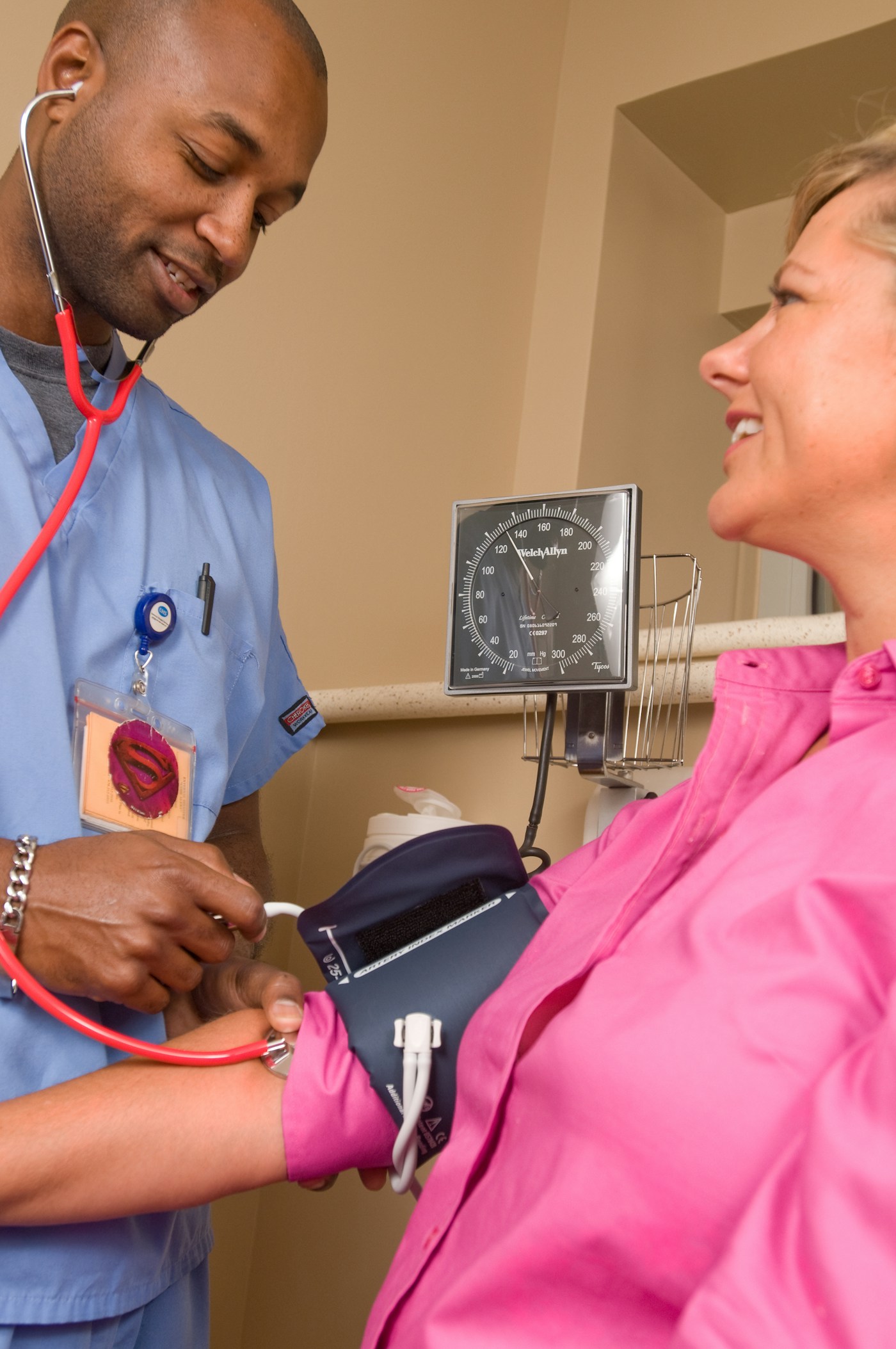
Hypertension / Patient Education
Understanding Hypertension: Blood Pressure and Your Heart
What high blood pressure means, how to measure it properly and why follow-up matters.
Adults aged 30–79 worldwide estimated to have hypertension in 2024. About 44% were unaware of their condition. WHO Hypertension Fact Sheet, 2025
Hypertension is a long-term vascular risk, not merely an occasional high number. Persistent elevation increases the burden on blood vessels, the heart, brain and kidneys, often without producing obvious symptoms.
What a blood pressure reading represents

The top, or systolic, reading is the arterial pressure during cardiac contraction; the bottom, or diastolic, reading is the pressure between beats. Measurement protocols and diagnostic thresholds vary among clinical guidelines. The WHO describes hypertension as blood pressure of 140/90 mmHg or higher; individual treatment targets may differ with comorbidity, age and tolerability.
Make home readings meaningful
- Use a validated upper-arm monitor with the correct cuff size
- Sit quietly beforehand, feet supported and arm at heart level
- Avoid talking while measuring
- Record multiple readings with dates and times
Bring this information
- Home reading log and monitor details
- Current medicine and supplement list
- Kidney function, glucose and lipid reports if available
- Symptoms, family history and prior cardiovascular events
Confirm the pattern before drawing conclusions
One elevated reading may reflect measurement technique, pain, stress or circumstances. Clinicians may use repeat office measurements, home readings or 24-hour ambulatory monitoring to distinguish sustained hypertension from variation. Monitoring may also identify inadequate overnight control.
A reliable series of blood pressure measurements is more informative than one isolated reading.
What treatment aims to achieve
Strategies typically combine sodium reduction where appropriate, balanced nutrition, activity, improved sleep and prescribed antihypertensive medication when indicated. Drug choice considers age, kidney function, diabetes, pregnancy considerations, other conditions and potential adverse effects. The aim is to reduce future vascular events while maintaining safety and quality of life.
WHO estimated that only about 23% of adults living with hypertension worldwide had it controlled in 2024. This statistic describes global populations, not an individual patient's prognosis. WHO, 2025
When urgent assessment is necessary
Markedly elevated blood pressure accompanied by chest pain, severe breathlessness, sudden weakness, confusion or other concerning new symptoms needs emergency assessment. For people without these symptoms, a clinician can advise how urgently repeat measurements and treatment review are needed. Never independently double doses or stop regular medication.
References: WHO Hypertension (25 September 2025) · American Heart Association: Life’s Essential 8
Editorial note: Patient-education draft based on linked professional and public-health sources. Requires clinical review before publication; not presented as authored by Dr. Rabbani.